
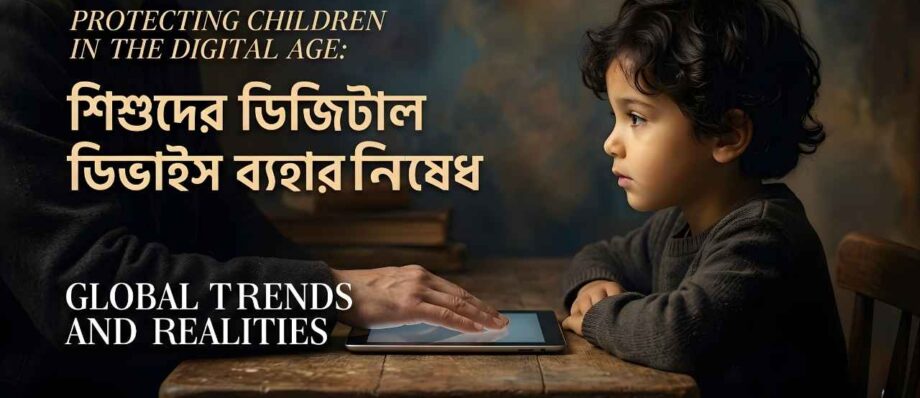
Protecting Children in the Digital Age: Global Trends and Realities
In the modern world, ensuring the online safety of children has become a major challenge for policymakers, educators, and parents alike. As digital landscapes expand, the negative impacts of social media addiction, cyberbullying, and exposure to inappropriate content have reached alarming levels. To protect the next generation, countries across the globe are now considering and implementing strict measures to create a safer digital environment.
Global Initiatives: A Country-Wise Perspective
Governments worldwide are actively debating age limits and stricter regulations for social media usage among minors. These initiatives vary from complete bans to enhanced parental oversight.
Australia’s Strict Stance: The Australian government is leading the way by prioritizing child safety as a national emergency. They have proposed a landmark bill that aims to ban children under the age of 16 from using social media platforms. The goal is to hold tech companies accountable and ensure that “age verification” protocols are strictly enforced to keep younger children away from potentially harmful algorithms.
USA and the European Union: In the United States and the EU, local administrations are working on laws to make age verification mandatory. A major focus here is investigating how social media algorithms are designed. Researchers and legal experts are challenging tech giants, arguing that their platforms are intentionally built to be addictive, which significantly harms children’s mental development.
France and Beyond: Countries like France are emphasizing parental control. Policies are being shaped to ensure that children up to the age of 13 or 15 can only access smartphones or social media with explicit consent from their parents. This moves the responsibility back to the household while providing parents with legal tools to monitor their children’s digital footprints.
Why Is There So Much Concern?
Experts suggest that excessive screen time during the critical stages of brain development can have devastating effects. The primary concerns include:
- Mental Health: Constant exposure to the “perfect” lives of others on social media leads to low self-esteem, anxiety, and a feeling of inadequacy among children.
- Sleep Disturbances: Using social media late at night disrupts sleep patterns, which is essential for physical health and cognitive function.
- Cybersecurity Risks: Data privacy breaches and contact with unknown individuals or predators put children in direct danger.
While governments focus on safety, the hardware market continues to evolve. For families considering safer or newer devices for their teenagers, keeping an eye on the latest launches is important. For example, the Lava Shark 2 5G offers high-speed connectivity that may require even more vigilant parental monitoring.
Is a Ban the Only Solution?
Technology experts and sociologists argue that a simple ban might not be enough. Instead, a multi-layered and coordinated approach is necessary:
- Algorithm Regulation: Platforms must be designed to filter out harmful or addictive content for younger users.
- Access to Quality Tech: Parents should research the best devices that offer robust parental controls. If you are looking for a new phone, checking out the top 5 best smartphones under 30k in Bangladesh can help you find models with better security features.
- Educational Tools: Large-screen devices like the OnePlus Pad 3 Pro can be great for education if used correctly under supervision, showing that technology is a tool, not just a toy.
- Digital Literacy: Digital safety should be part of the school curriculum, teaching kids how to navigate the internet responsibly.
Conclusion
Isolating children completely from the digital world is nearly impossible in this era. However, through age limits, transparent verification processes, and global cooperation between governments and tech firms, we can build a safer online world. It is a collective responsibility that starts at home but requires the strength of international law.
What Parents Should Do (Parental Guidelines)

While governments do their part, the first line of defense is always at home. Here are some essential tips for parents:
- Open Communication: Talk to your children about the pros and cons of the internet. Let them know they can come to you if they see something that makes them uncomfortable.
- Enable Parental Controls: Use built-in digital wellbeing tools on smartphones and tablets to limit screen time and block adult content.
- Lead by Example: Children often mimic their parents. If you limit your own social media use in front of them, they are more likely to do the same.
- Monitor Privacy Settings: Regularly check the privacy settings on any apps your child uses. Ensure their profiles are private and they are only interacting with people they know in real life.
- Educate on Data Safety: Teach them never to share personal information like home addresses, school names, or phone numbers with anyone online.